How to Check GO Train Schedules in Real Time (2026 Guide)
Master your daily trip with our 2026 guide to checking GO Train schedules in real time. Learn how to use go transit apps and live data to avoid delays and find your platform faster at Union Station.
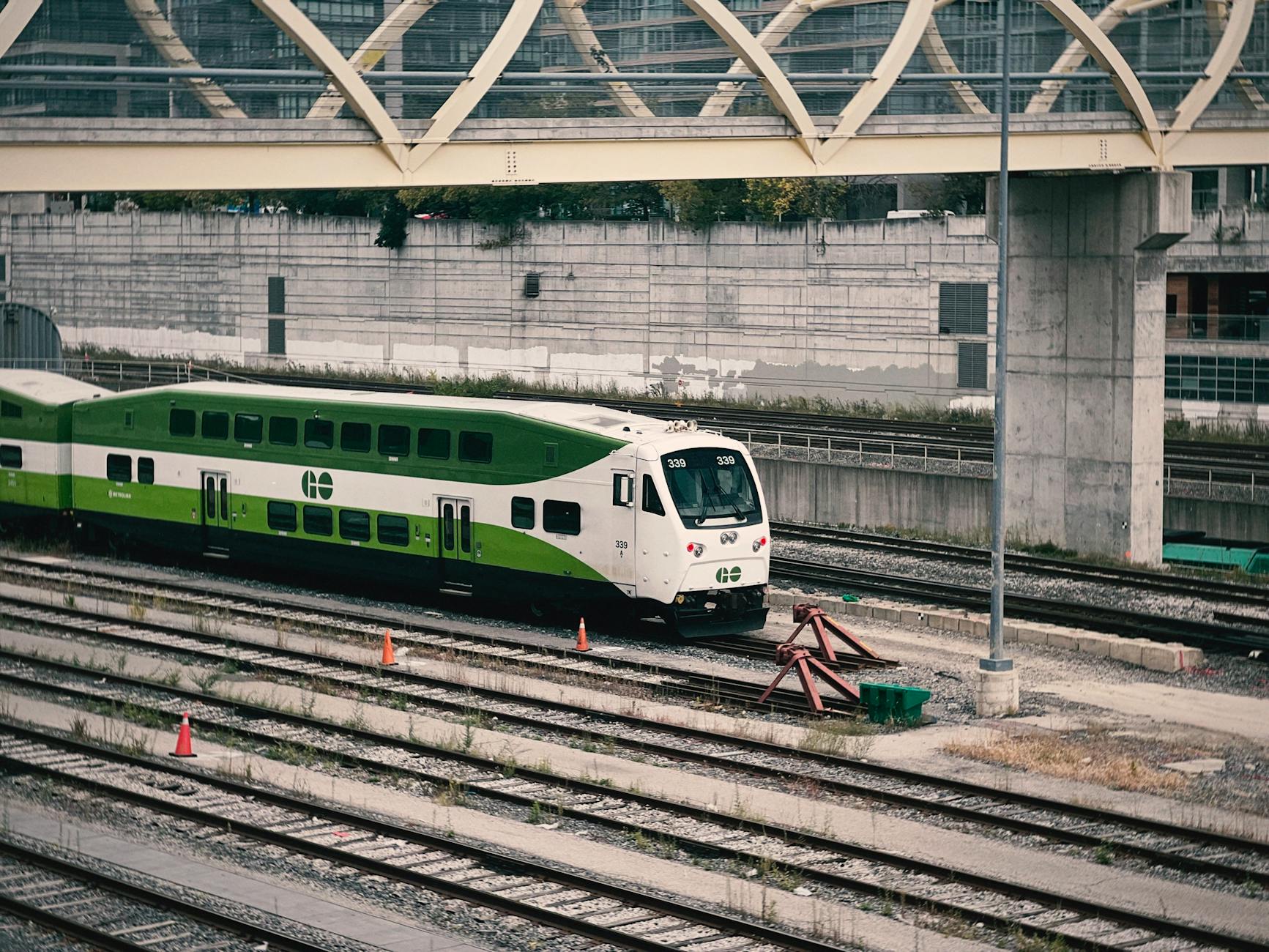
For GO Transit riders in 2026, checking a static schedule is no longer enough. With more commuters returning to the office, ongoing station improvements, and frequent service adjustments across the network, having access to real-time GO Train information can make a major difference in how smoothly your trip goes.
Whether you're commuting daily into Union Station or planning a weekend trip, the right tools can help you avoid delays, find your platform faster, and stay on top of service changes before they affect your day.
What is real-time GO Train tracking?
Real-time GO Train tracking uses live operational data to show what is happening with your train right now, not just what was scheduled to happen.
That can include:
live departure information
delay and cancellation updates
platform assignments
current train location
service notices and alerts
Unlike a static timetable, real-time tracking helps you adjust as conditions change. That is especially important during bad weather, signal issues, track work, or heavy commuter periods when service can shift quickly.
The fastest ways to check GO Train schedules in real time
There are several ways commuters can check GO Train schedules, but not all options offer the same experience.
1. Dedicated GO Transit apps
For frequent GO riders, a dedicated app is often the most convenient option because it is designed specifically around the daily commuter experience.
GoTrack is built specifically for GO Transit riders and brings together the information commuters care about most in one place. Instead of jumping between different tools, riders can check schedules, delays, platform information, live train movement, notices, and trip details in a more streamlined experience.
GoTrack features include:
real-time schedules
live platform information
delay and cancellation updates
live map and train tracking
widgets for quick access
favorite routes
trip details and stop information
important notices and service alerts
For daily commuters, that kind of focused experience matters. The biggest advantage of a dedicated GO app is speed and convenience. You are not opening a general trip planner and digging around every time you want to check your train. You are opening a tool built for one purpose: helping you get the information you need quickly.
By comparison, some alternative GO apps and general transit tools can feel more fragmented. Riders may need to switch between different tabs or screens to piece together schedule, platform, and service information. Others may offer a more cluttered or less commuter-friendly interface, which makes everyday use less efficient.
2. Official Metrolinx tools
Official Metrolinx tools are a useful source for schedule and service information, especially for riders who prefer to check updates directly from the agency.
Their web-based tools are helpful for looking up departures, trip planning, and service updates. However, for regular riders, browser-based tools can be less convenient than a dedicated mobile experience. They may require more manual searching each time, and they typically do not offer the same level of personalization, speed, or commuter-focused convenience as an app built around saved routes and quick-glance use.
Official tools are useful, but they are often better suited to general trip lookup than to the needs of someone checking the same GO routes day after day.
3. Multi-modal navigation apps
Apps like Google Maps and other trip planners are strong for broader, door-to-door directions across different transportation modes.
They are useful when your trip involves walking, buses, subway connections, or unfamiliar routes. But they are general navigation tools first, not GO-specific commuter tools.
That means they may not always give riders the same focused experience as a dedicated GO app. For someone who mainly wants fast access to live GO Train schedules, platform details, and route-specific updates, a general navigation app can feel like more tool than necessary for the job.
4. Station screens and platform boards
GO station screens remain an important part of the rider experience and can be helpful once you are already at the station.
The downside is that they are reactive rather than proactive. They help after you arrive, but they do not help much while you are still leaving home, walking to the station, or trying to decide whether you have time to catch your train. For that reason, mobile tools remain a better option for riders who want to stay ahead of disruptions and make decisions earlier.
How to avoid surprises during your commute
The best way to reduce stress on your commute is to rely on tools that show live information, not just scheduled times.
A few practical habits can help:
check for real-time countdowns instead of static departure times
review platform information before arriving at the station
watch for delay and service notices before leaving home
use a tool that is focused specifically on GO Transit if that is your primary way of commuting
For regular GO users, a dedicated app can make everyday travel more predictable by putting schedule, platform, delay, and trip information together in one place.
Why this matters more in 2026
GO Transit continues to evolve, with service changes, construction, and network upgrades affecting how riders plan their trips. At busy hubs like Union Station, even small timing or platform changes can make a noticeable difference in your commute.
That is why real-time information is no longer just a nice feature. It is one of the most useful tools a commuter can have.
Conclusion
There are several ways to check GO Train schedules in real time, and each option has its place. Official tools are helpful, general navigation apps are useful for broader route planning, and station boards can confirm information once you arrive.
But for regular GO riders who want a faster, simpler, and more commuter-focused experience, a dedicated app like GoTrack offers clear advantages. With live schedules, platform info, train tracking, service notices, widgets, and trip details all in one place, it gives riders a more practical way to stay ahead of their commute.
For anyone who takes GO Transit often, that can mean fewer surprises, less friction, and a more confident start to the day.